
Running a small business in Washington state means juggling unique tax obligations that most other states don't require. From B&O taxes to complex multi-jurisdictional sales tax rates, Washington's tax landscape can overwhelm even experienced business owners. The good news? Cloud bookkeeping technology can automate most of these compliance headaches, freeing you to focus on growing your business instead of wrestling with tax forms.
Here are five proven strategies that Washington businesses use to streamline their tax compliance through smart cloud bookkeeping practices.
1. Master the Phased Implementation Strategy

Switching to cloud bookkeeping doesn't have to disrupt your entire operation. The most successful Washington businesses implement their new systems gradually, avoiding the chaos of overnight transitions.
Start with a parallel processing approach. Run your existing bookkeeping system alongside your new cloud platform for 30-60 days. This safety net allows you to verify accuracy while your team learns the new processes. During this period, enter transactions in both systems and compare results daily.
Focus on one department at a time. If you have multiple revenue streams or departments, migrate them individually. Start with your smallest or most straightforward income source, then expand to more complex areas once you've worked out any kinks.
Schedule the transition during slow periods. Plan your implementation during your business's natural down cycle. For many Washington businesses, this means avoiding busy season rushes or peak sales periods when accuracy is critical and time is limited.
The key advantage of phased implementation is risk reduction. You're not betting your entire financial operation on a new system all at once. Instead, you're building confidence and expertise gradually while maintaining business continuity.
2. Automate Washington's Complex B&O Tax Requirements
Washington's Business and Occupation tax is unlike anything in other states, and manual calculation creates significant compliance risks. Cloud bookkeeping systems can automatically classify your revenue streams according to B&O tax categories, eliminating guesswork and reducing audit exposure.
Set up automated B&O classifications from day one. Configure your cloud system to recognize different types of business activities and apply the correct B&O tax rates automatically. This prevents the common mistake of misclassifying revenue, which triggers Department of Revenue investigations.
Use real-time B&O tax tracking. Instead of scrambling at quarter-end to calculate your B&O obligations, your cloud system can track these amounts continuously. You'll always know your current B&O liability and can make informed decisions about cash flow and estimated payments.
Leverage automated reporting features. Many cloud platforms can generate B&O tax reports in formats that align with Washington state requirements. This eliminates the manual data entry that creates errors and saves hours during filing season.
The B&O tax system penalizes businesses that underpay or file late, making automation not just convenient but financially essential. Businesses using automated B&O tracking report 40% fewer compliance issues compared to those handling calculations manually.
3. Conquer Multi-Jurisdictional Sales Tax Complexity
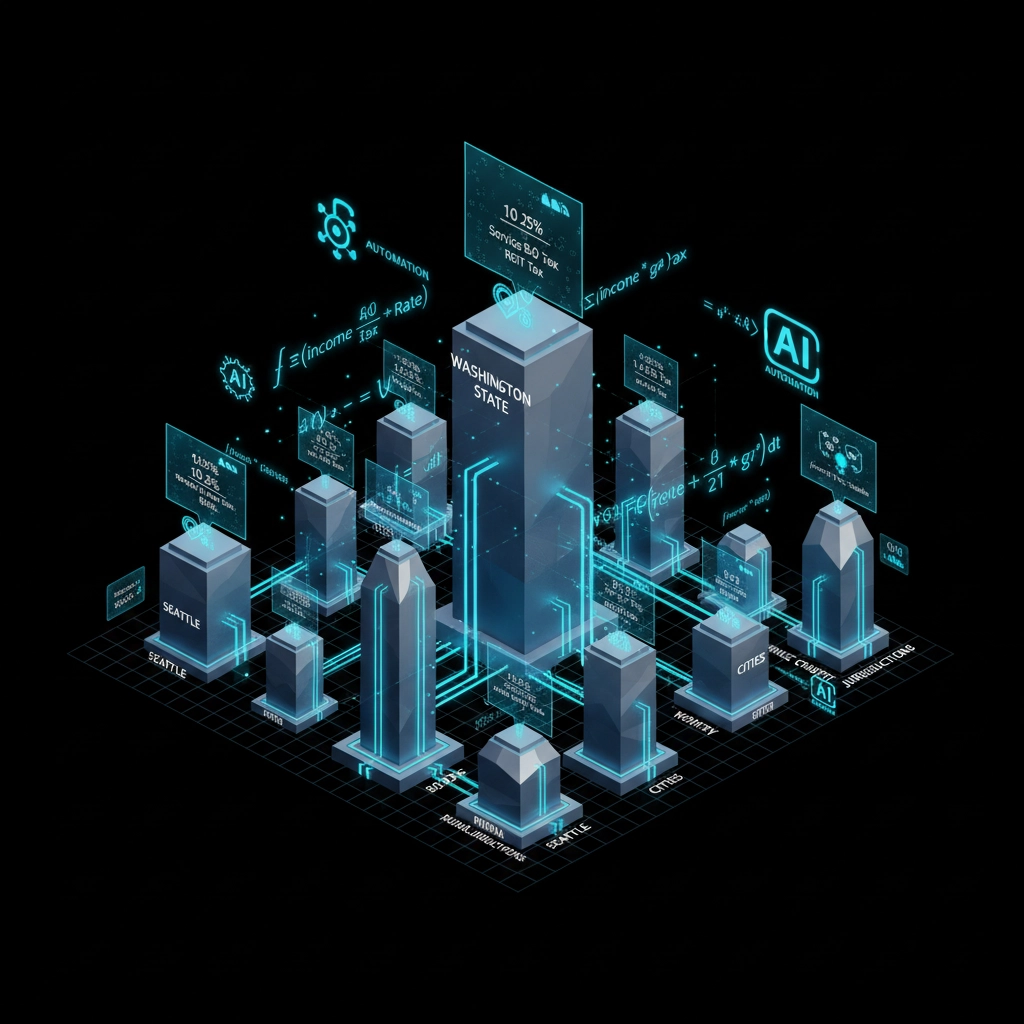
Washington's sales tax rates vary significantly by location, with some Seattle businesses paying over 10% when combining state, county, and local district taxes. Managing these variations manually creates both compliance risks and administrative burdens.
Configure location-based tax rules once. Your cloud bookkeeping system can store tax rates for every jurisdiction where you do business. Set these up initially, then let the system handle calculations automatically for each transaction based on delivery location or point of sale.
Automate nexus tracking. As your business grows, you may trigger sales tax obligations in jurisdictions where you previously had no requirements. Cloud systems can monitor your sales volumes and alert you when you're approaching nexus thresholds in new areas.
Enable real-time rate updates. Tax rates change frequently, and manual systems often use outdated rates. Cloud platforms with automated tax rate updates ensure you're always using current rates, preventing underpayment penalties and customer confusion.
Streamline multi-state compliance. If your business serves customers beyond Washington, your cloud system can manage sales tax obligations across multiple states from a single dashboard. This eliminates the complexity of tracking different filing schedules and payment requirements.
The sales tax landscape becomes more complex each year as jurisdictions seek new revenue sources. Automated sales tax management reduces compliance errors by over 75% while eliminating the manual research required to stay current with rate changes.
4. Build Bulletproof Audit Trails for Compliance Protection
Washington state agencies increasingly rely on detailed transaction records during audits and investigations. Cloud bookkeeping systems create comprehensive audit trails automatically, documenting every transaction change and user action without additional effort from your team.
Implement user-level tracking. Configure your system to log which team member made each transaction entry or modification. This accountability creates transparency and helps identify training needs before they become compliance problems.
Maintain transaction-level documentation. Attach supporting documents directly to transactions within your cloud system. Receipts, contracts, and correspondence become part of your permanent record, accessible instantly during audits or internal reviews.
Enable automatic backup and retention. Cloud systems typically maintain transaction histories for years without degradation or risk of loss. This permanent record satisfies retention requirements and provides the documentation needed to defend your positions during examinations.
Generate compliance reports on demand. Instead of spending days reconstructing transaction histories for auditors, cloud systems can produce detailed reports instantly. This responsiveness often shortens audit timelines and reduces professional fees.
The audit trail benefits extend beyond compliance. Detailed transaction records improve internal controls and help identify process improvements that increase efficiency and reduce errors.
5. Maximize Payroll Compliance Through Cloud Accessibility

Washington's employment laws change frequently, and payroll mistakes create both employee relations problems and regulatory penalties. Cloud-based payroll processing ensures you stay current with state and local employment requirements while maintaining accurate records for compliance reporting.
Automate tax table updates. Washington payroll taxes include various state and local components that change annually or more frequently. Cloud systems download updated tax tables automatically, ensuring accurate withholdings without manual intervention.
Enable real-time collaboration. Cloud accessibility allows you and your accounting professional to review payroll calculations before processing, catching errors when they're easy to fix rather than after employees receive incorrect paychecks.
Streamline workers' compensation reporting. Washington's workers' compensation requirements include specific classification codes and premium calculations. Cloud systems can track employee hours by classification and generate the reports needed for accurate premium payments.
Maintain employment law compliance. Washington's paid sick leave, family leave, and overtime requirements create complex calculation scenarios. Automated systems apply these rules consistently, preventing the errors that trigger Department of Labor investigations.
Access records from anywhere. When employees have questions about their pay or benefits, cloud accessibility allows you to research their records immediately rather than waiting to return to the office. This responsiveness improves employee satisfaction while maintaining accurate records.
Making the Switch: Practical Next Steps
The transition to cloud bookkeeping doesn't require extensive technical expertise, but it does benefit from professional guidance. Consider partnering with a bookkeeping service that specializes in Washington state compliance to ensure your system configuration meets all regulatory requirements.
Start by evaluating your current pain points. Which compliance tasks consume the most time? Where do errors occur most frequently? These problem areas should be your first targets for automation.
Research platforms that specialize in Washington requirements. Not all cloud bookkeeping systems handle state-specific requirements equally well. Look for platforms with proven track records serving Washington businesses.
Plan for staff training and change management. Even user-friendly systems require learning time. Budget for training and temporary productivity decreases while your team adapts to new processes.
The investment in cloud bookkeeping technology typically pays for itself within the first year through reduced compliance costs, fewer penalties, and increased operational efficiency. Washington businesses report average time savings of 10-15 hours per month after implementing automated compliance systems.
Your business deserves bookkeeping processes that support growth rather than consuming resources. These five cloud bookkeeping strategies can transform tax compliance from a constant burden into an automated background process, giving you more time to focus on serving customers and building your business.
Ready to explore how these strategies might work for your specific situation? Contact Bugaboo Bookkeeping to discuss your Washington business's compliance needs and learn about our cloud-based solutions.